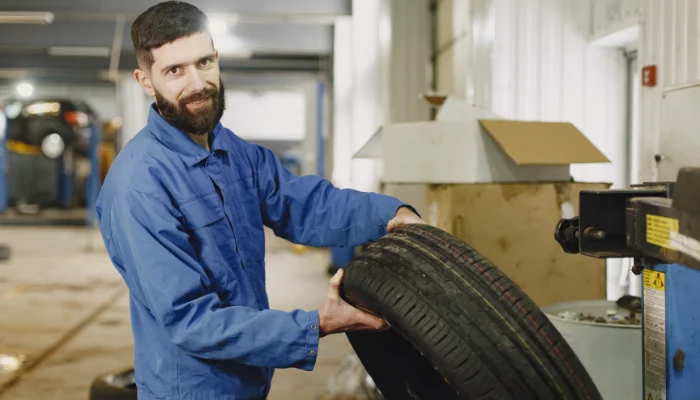
Storing tyres properly is just as important as using them safely on the road. Many people wonder, how long do tyres last in storage? The answer is not a simple number. Tyres are made of rubber, and rubber ages naturally over time, even if the tyres are unused. Their lifespan depends on storage conditions, tyre type, and maintenance practices. Understanding tyre storage can save you money, improve safety, and ensure your tyres perform well when you need them. In this guide, we’ll cover everything from ideal storage conditions to lifespan expectations and practical tips.
Understanding Tyre Lifespan in Storage
Tyres do not last forever. Even if they are kept in a garage or storage unit, the rubber can degrade due to environmental factors. Here’s a general guide for tyre lifespan when stored properly:
- Passenger car tyres: 5–6 years
- Truck tyres: 4–5 years
- Motorcycle tyres: 5 years
- Spare tyres: 6–7 years (if stored well)
Always check the manufacture date on the tyre sidewall before using stored tyres. The DOT code indicates the week and year of production. Tyres older than 6 years, even unused, may not be safe.
Read also: Inside Bedroom Cupboard Storage Ideas
Factors That Affect Tyre Lifespan in Storage
Several factors influence how long tyres can last when not in use. Understanding these factors helps you store tyres correctly and avoid premature aging.
1. Storage Conditions
The environment plays a key role. Tyres stored in cool, dry, and dark places last longer. Heat, sunlight, and humidity accelerate rubber degradation.
2. Tyre Type
Different tyres have different compositions. For example:
- All-season tyres last longer than high-performance tyres.
- Summer tyres may degrade faster in storage because of softer rubber compounds.
3. Exposure to Chemicals
Tyres exposed to oils, fuels, and solvents can crack or weaken. Even cleaning chemicals can damage rubber if tyres are not rinsed properly.
4. Tyre Maintenance
Regularly checking stored tyres, rotating them, and keeping them covered prevents deformation and UV damage.
Key Storage Conditions for Tyres
Proper storage conditions can dramatically extend tyre life. Here’s what to consider:
- Cool and Dry Environment – Avoid heat and humidity. Ideal temperature is below 25°C.
- Away from Sunlight – UV rays damage rubber over time.
- Off the Ground – Store tyres on racks to avoid moisture absorption.
- Covered – Use tyre bags or opaque covers.
- Proper Position – Vertical storage is better than stacking horizontally.
Read also: How to Find the Best Self Storage in Cambridge
Tyre Lifespan Based on Storage Conditions
| Storage Condition | Tyre Lifespan | Notes |
| Cool, dark, dry | 5–6 years | Ideal for passenger car tyres |
| Humid or hot environment | 3–4 years | Accelerates rubber degradation |
| Exposed to sunlight | 2–3 years | UV damages tyre structure |
| Stored with chemicals | 1–2 years | Tyres may crack or weaken faster |
Tips to Maximise Tyre Lifespan in Storage
Proper care can extend tyre life even when stored for long periods.
- Store vertically rather than stacking horizontally to prevent flat spots.
- Rotate tyres occasionally if stacked for more than a few months.
- Keep them away from heat sources like radiators or heaters.
- Avoid placing heavy objects on top of stored tyres.
- Clean tyres before storage to remove dirt and chemicals.
By following these simple steps, your tyres can remain in safe, usable condition for years.
How to Check Tyre Age
Even if tyres look new, age matters. To check tyre age:
- Look for the DOT code on the sidewall.
- The last four digits indicate the week and year of production. For example, “2219” means the tyre was made in the 22nd week of 2019.
- Tyres older than 6 years should be replaced, even if unused.
Signs Your Stored Tyres Are Expired
Even stored tyres can go bad. Look for these signs before using:
- Cracks on the sidewall
- Flat spots or deformation
- Dry, brittle rubber
- Fading or discolored markings
If any of these appear, it’s safer to replace the tyre rather than risk failure on the road.
Read also: How Much Does a Storage Unit Cost in the UK?
Tyre Storage Checklist
| Checklist Item | Recommended Action |
| Storage Location | Cool, dry, and dark |
| Tyre Position | Vertical on a rack |
| Protection | Cover with opaque bag or cloth |
| Temperature | Keep below 25°C |
| Chemicals | Keep away from oils, fuels, and solvents |
| Rotation | Rotate tyres occasionally if stacked |
How Long Can Different Tyres Last in Storage?
Different tyres age differently. Understanding this helps you plan replacements.
- Passenger Car Tyres: 5–6 years
- Motorcycle Tyres: 5 years
- Truck or Van Tyres: 4–5 years
- Spare Tyres: 6–7 years if stored properly
Note: Tyres stored improperly may last only 2–3 years regardless of type.
Common Mistakes in Tyre Storage
Even small mistakes can reduce tyre lifespan:
- Stacking Horizontally – Causes flat spots and deformation.
- Exposing to Sunlight – UV rays dry out rubber.
- Storing Near Chemicals – Oil, fuel, or cleaning agents accelerate cracking.
- Ignoring Temperature – High temperatures increase oxidation.
- Skipping Inspections – Old tyres may develop hidden cracks.
Tips for Seasonal Tyres
If you use summer or winter tyres, proper storage is crucial:
- Store off-season tyres in a cool, dark place.
- Keep them inflated slightly or on racks to maintain shape.
- Use tyre bags to protect against UV light.
- Avoid placing them on concrete; use a wooden pallet instead.
How Tyre Material Affects Storage Life
Different materials have different storage needs:
- Synthetic Rubber – More resistant to cracking but sensitive to heat.
- Natural Rubber – Prone to drying and cracking faster.
- Performance Tyres – Softer compounds age faster, even in storage.
Safety Tips Before Using Stored Tyres
Before fitting stored tyres on your vehicle:
- Check the DOT code and age.
- Inspect for cracks, bulges, or dry rot.
- Ensure tread depth is adequate.
- Check sidewall integrity.
- Avoid tyres that smell of strong chemicals; it indicates rubber degradation.
FAQs
Q1: Can tyres last more than 6 years in storage?
Yes, but only in perfect storage conditions.
Q2: Should I inflate tyres before storing them?
Not fully; just maintain shape.
Q3: Can sunlight damage tyres in storage?
Yes, UV rays degrade rubber quickly.
Q4: Is vertical storage better than horizontal stacking?
Yes, it reduces deformation.
Q5: How do I check tyre age?
Check the DOT code on the tyre sidewall.
Q6: Can stored tyres be used after 10 years?
It is not recommended; rubber degrades and becomes unsafe.
Q7: How often should I rotate stored tyres?
Every 3–4 months if stacked.
Conclusion
Knowing how long do tyres last in storage is essential for safety, cost savings, and tyre performance. By storing tyres in the right conditions, checking their age, and performing regular inspections, you can ensure your tyres stay safe and usable for years. Proper storage protects your investment, prevents accidents, and keeps your vehicle performing at its best. Remember, when in doubt, replace old or damaged tyres.