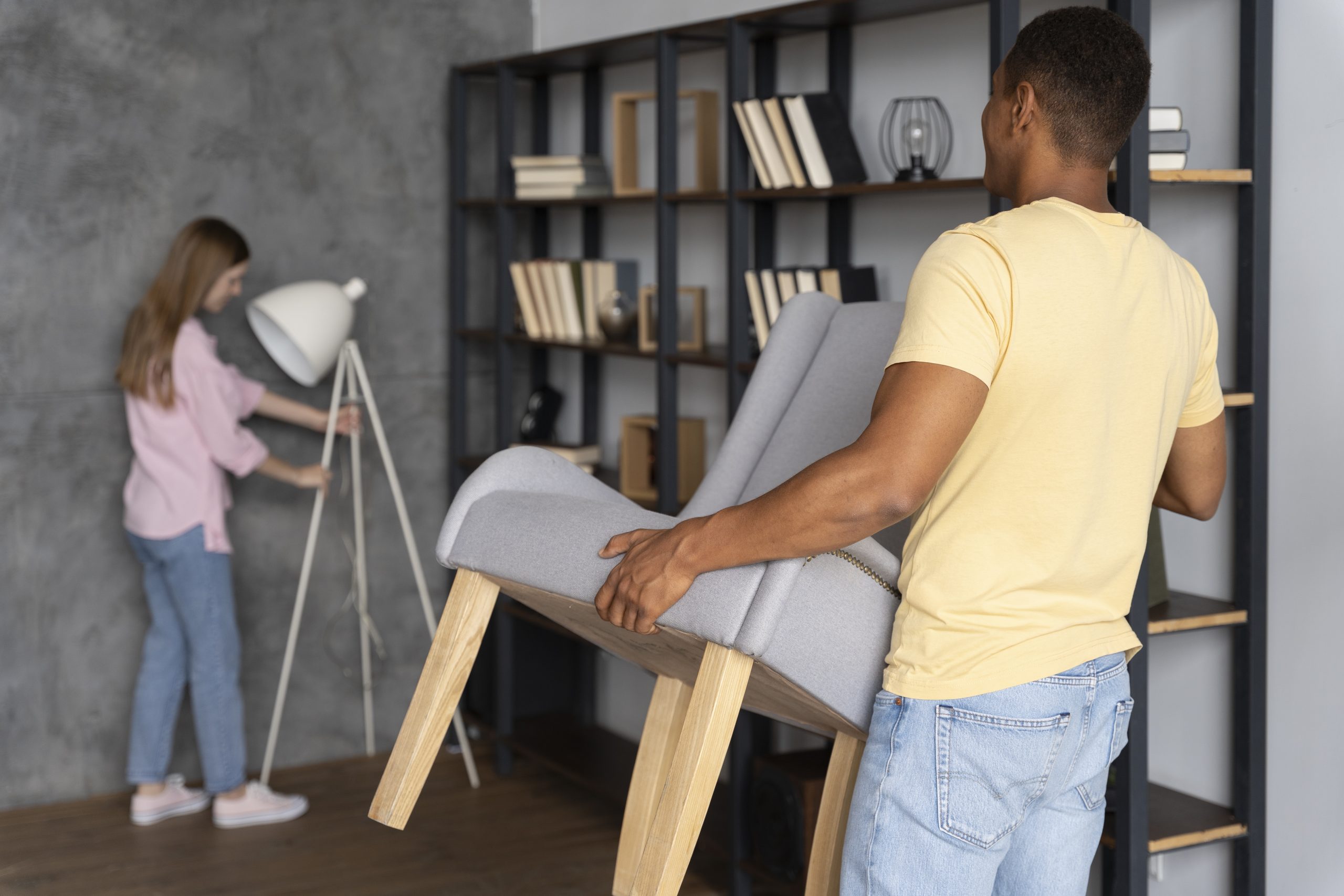
In the modern home, where space is often a premium, the concept of furniture storage has evolved from a simple necessity into a sophisticated design element. It is no longer just about tucking things away; it is about creating a harmonious, functional, and aesthetically pleasing environment. Effective furniture storage is the backbone of an organized life, transforming chaotic rooms into serene sanctuaries. This comprehensive guide will explore the different types of storage solutions, the profound benefits they offer, and practical tips for maximizing every inch of your living space.
The Essential Role of Furniture Storage in a Modern Home
The benefits of investing in high-quality and well-designed furniture storage extend far beyond mere tidiness. They impact your daily efficiency, mental well-being, and the longevity of your possessions.
- Decluttering and Maximizing Space The most immediate and obvious advantage is the ability to declutter. Clutter is a known source of stress and can make a room feel smaller and less inviting. Furniture storage pieces, such as multi-functional ottomans or built-in shelving units, provide designated homes for items that would otherwise accumulate on surfaces . By utilizing vertical space with tall bookcases or wall-mounted shelves, you draw the eye upward and free up valuable floor space, making even the smallest apartment feel more expansive .
- Protection and Preservation of Valuables Beyond aesthetics, proper furniture storage is crucial for protecting your belongings. Delicate items, seasonal clothing, or important documents are vulnerable to dust, moisture, and accidental damage when left exposed. Storage cabinets and dressers offer a secure, enclosed environment, shielding items from environmental factors and wear and tear [10]. For long-term storage, such as during a move or renovation, professional warehousing and storage solutions ensure that large pieces of furniture are kept safely and dust-free in climate-controlled conditions .
- Enhanced Home Aesthetics and Functionality Today’s furniture storage is designed to be beautiful as well as practical. Pieces like sideboards, display cabinets, and entertainment centers are integral to a room’s decor. They allow you to showcase decorative items while concealing the less attractive necessities, striking a perfect balance between open display and hidden utility. This dual function ensures that every piece of furniture serves a purpose, contributing to a cohesive and functional design .
Exploring Types of Furniture Storage Solutions
The market is rich with diverse furniture storage options, each tailored to specific needs and rooms. Choosing the right piece depends on the volume of items you need to store and the available space.
- Living Room and Entryway Storage In the living room, multi-functional pieces are key. Storage ottomans and benches offer seating while providing hidden space for blankets, remotes, or magazines . Entertainment centers are excellent for consolidating media equipment, books, and decorative accents. For entryways, wall-mounted shelves and coat racks offer a space-efficient solution for keys, mail, and outerwear .
- Bedroom Storage The bedroom relies heavily on traditional yet essential furniture storage. Dressers, chests, and nightstands are the primary workhorses for clothing and personal items . Modern armoires can serve as flexible storage for clothing or even a hidden workspace. The key here is maximizing drawer space and utilizing the area under the bed with specialized storage containers.
- Kitchen and Dining Storage Beyond built-in cabinetry, sideboards and buffets offer crucial storage in dining areas for linens, silverware, and serving dishes. In the kitchen, pantry cabinets and utility carts provide flexible, accessible storage for food and small appliances.
Comparison of Common Furniture Storage Types
| Storage Type | Primary Function | Ideal Location | Space-Saving Feature |
|---|---|---|---|
| Storage Ottoman | Dual-purpose seating and hidden storage | Living Room, Bedroom | Conceals clutter, provides extra seating |
| Wall-Mounted Shelves | Display and vertical storage | Entryway, Office, Kitchen | Utilizes vertical space, frees up floor area |
| Dresser/Chest of Drawers | Clothing and linen storage | Bedroom, Closet | Maximizes internal volume with multiple drawers |
Maximizing Space with Smart Storage Tips
Achieving an organized home is a continuous process that requires smart strategies and the right tools. Here are practical tips to help you get the most out of your furniture storage.
- Embrace Verticality and Disassembly Always look up. Wall-mounted shelving and tall, narrow units utilize vertical space that is often overlooked. For large items that need to be stored long-term, such as in a storage unit, disassembling them is a critical step . Taking apart beds, tables, and modular shelving not only saves significant space but also protects the pieces from damage during transit and storage.
- The Power of Internal Organization The inside of your furniture storage is just as important as the outside. Simply stuffing items into a drawer or cabinet defeats the purpose. Invest in internal organizers like drawer dividers, clear containers, and shelf baskets . These tools help categorize items, making them easier to find and preventing the “junk drawer” phenomenon. Using clear containers is particularly effective as it allows for quick visual inventory.
- Measure and Plan Before purchasing any new furniture storage piece, measure the space and the items you intend to store . This prevents the common mistake of buying an item that is too large or too small for its intended purpose. A well-planned storage system ensures that every item has a dedicated, accessible spot.
Read more:Dispose of Unwanted Furniture Before Moving House in the UK
Smart Organization Hacks for Furniture Storage
| Area | Organization Hack | Recommended Tool | Benefit |
|---|---|---|---|
| Drawers | Use dividers to separate categories | Drawer Dividers, Small Bins | Prevents mixing of items, maximizes drawer capacity |
| Cabinets | Utilize the full height of the space | Shelf Risers, Stackable Containers | Creates a second layer of storage, improves visibility |
| Shelves | Group similar items in baskets | Decorative Baskets, Clear Bins | Reduces visual clutter, allows for quick cleanup |
Long-Term Furniture Storage Considerations
Sometimes, the need for furniture storage extends beyond the home, such as during a move, renovation, or extended travel. Utilizing a self-storage facility requires careful preparation to ensure your items remain in pristine condition.
- Preparation is Key Before placing furniture into a storage unit, it must be thoroughly cleaned. Dust, food crumbs, and moisture can attract pests or lead to mold and mildew . Wooden furniture should be polished, and upholstered items should be vacuumed and covered with breathable fabric covers, not plastic, which can trap moisture.
- Selecting the Right Unit The type of unit you choose is vital. For valuable or antique wooden furniture, a climate-controlled unit is highly recommended. These units maintain a consistent temperature and humidity level, preventing warping, cracking, and the growth of mold . Always measure the disassembled furniture and the unit itself to ensure everything fits efficiently.
Read more:Bedroom Cupboard Storage Ideas to Maximise Space in Small Rooms
Long-Term Furniture Storage Checklist
| Step | Action Detail | Purpose | Status |
|---|---|---|---|
| Clean | Thoroughly vacuum and wipe down all surfaces | Prevents mold, mildew, and pest attraction | Complete |
| Disassemble | Take apart large items (beds, tables) | Saves space, protects pieces from damage | Complete |
| Protect | Cover with breathable fabric or moving blankets | Shields from dust and scratches, allows air circulation | Complete |
FAQs
Q: How can I protect wooden furniture in long-term storage?
A: The most important step is to use a climate-controlled storage unit to prevent warping and cracking from temperature and humidity fluctuations. Clean the wood, apply a protective polish, and cover it with a breathable cloth .
Q: Is it better to use clear or opaque storage containers?
A: Clear containers are generally better for items you need to access frequently, as they allow for quick visual identification. Opaque containers are better for reducing visual clutter on open shelving or for storing items you don’t need to see.
Q: How often should I declutter my furniture storage?
A: A good practice is to do a deep decluttering session seasonally (four times a year) and a quick tidy-up weekly. This prevents items from accumulating and ensures your storage remains functional.
Q: Can I use plastic sheeting to cover furniture for storage?
A: It is generally not recommended to use non-breathable plastic sheeting for long-term storage, especially in non-climate-controlled environments. Plastic can trap moisture, leading to mold and mildew. Use breathable fabric covers or moving blankets instead.
Conclusion
The journey to a more organized and peaceful home begins with a thoughtful approach to furniture storage. By understanding the diverse options available, recognizing the benefits of a clutter-free environment, and implementing smart organization strategies, you can transform your living space. Investing in the right storage solutions is not just an expense; it is an investment in your home’s functionality, beauty, and your overall quality of life. Start today by assessing your needs and finding the perfect pieces of furniture storage to bring order and calm to your world.