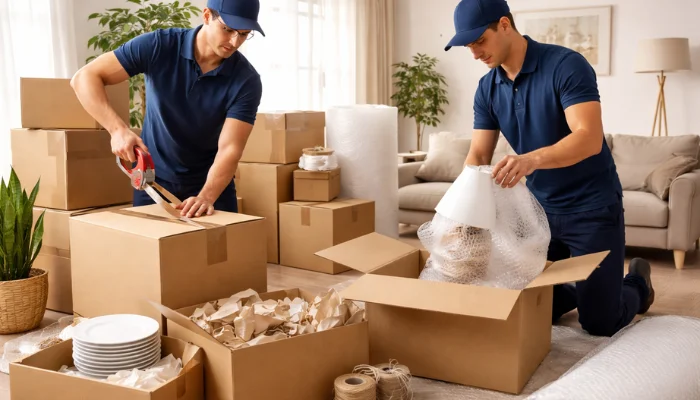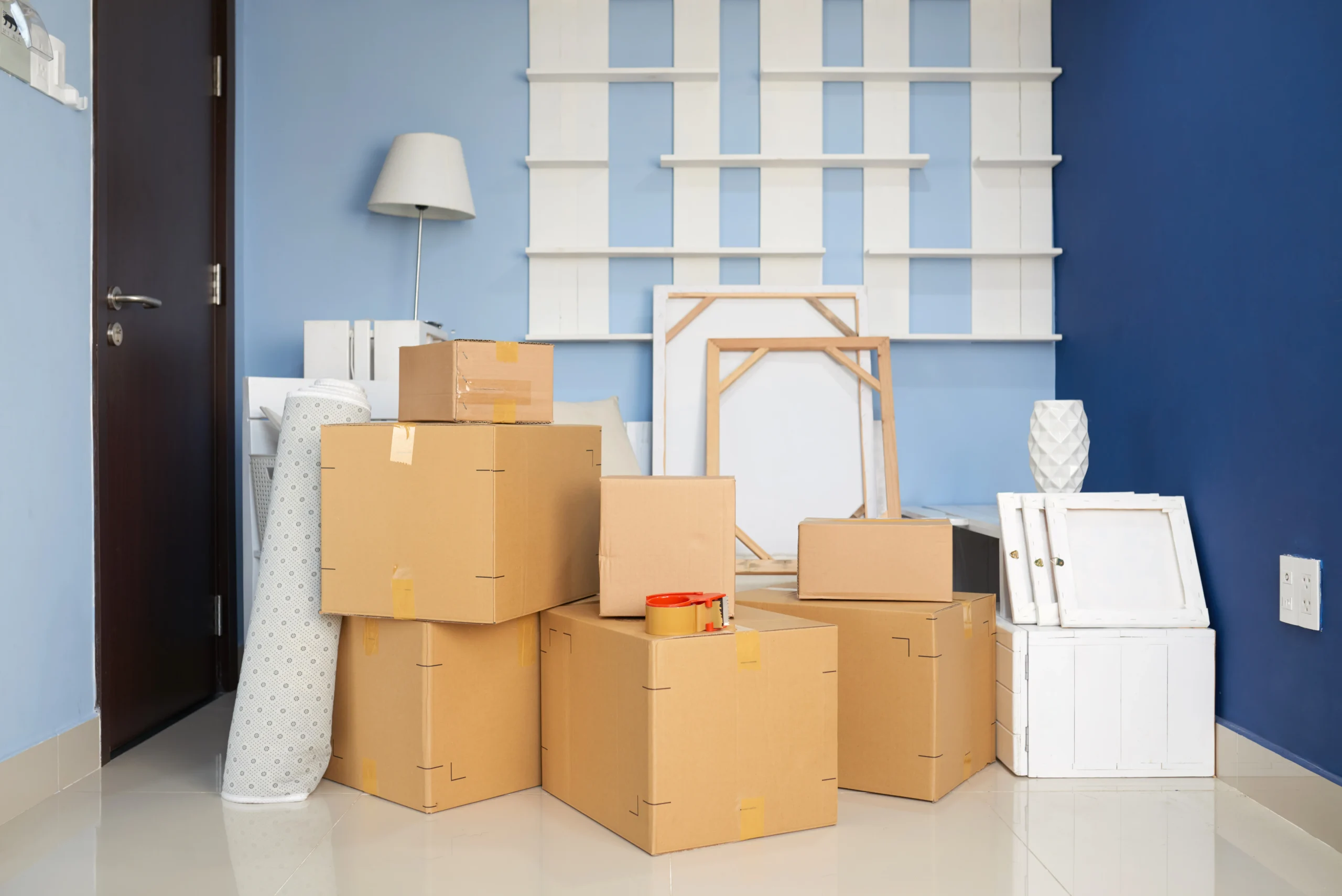
Planning boxes and moving early makes your house move simple and calm. The right boxes protect your items and save time on moving day. With a clear plan, you avoid damage and last-minute stress. Boxes and moving work best when you choose strong boxes, pack smart, and label clearly. This guide shows you how to do it step by step.
House Moving Boxes: What You Need and Why
House moving boxes come in many sizes and strengths. Choose boxes based on the room and item type. Strong boxes keep your items safe during lifting and travel. Use small boxes for heavy items and large boxes for light items. This keeps boxes easy to carry and reduces breakage.
House Moving Boxes by Room
Pick box sizes for each room to pack faster. This saves space in the van and speeds up unloading.
- Kitchen: small to medium boxes for plates and jars.
- Bedroom: medium boxes for clothes and linens.
- Living room: medium boxes for books and décor.
- Garage: strong boxes for tools and storage items.
Read also: Why Cardboard Boxes for Moving Are the Smartest Packing Choice
Cardboard Boxes: Types and Quality
Cardboard boxes are the most common choice for moving. Choose double-wall boxes for heavy or fragile items. Single-wall boxes work for light items. Good cardboard boxes hold shape and resist moisture. This protects items during short trips and long moves.
How to Choose Cardboard Boxes
Check the box rating and seams before you pack. Avoid old or soft boxes that can collapse.
- Use new boxes for fragile items.
- Reuse clean boxes for soft items.
- Reinforce bottoms with packing tape.
Read also: Packing Boxes for Moving: The Only Guide You’ll Ever Need
Large Cardboard Boxes for Moving House: When to Use Them
Large cardboard boxes for moving house suit light and bulky items. Use them for pillows, duvets, coats, and soft toys. Avoid heavy items in large boxes. Large boxes save trips but can become too heavy if overfilled. Pack light items only to keep lifting safe.
Safe Packing with Large Boxes
Balance the weight to protect your back and the box. Fill gaps with paper to stop items from shifting.
- Pack bedding and seasonal clothing.
- Add cushioning to fill empty space.
- Label boxes as “light” for easy carrying.
Best Packing Boxes for Moving House: What to Buy
The best packing boxes for moving house are strong, clean, and sized for your items. Double-wall boxes work best for books and kitchenware. Wardrobe boxes protect hanging clothes. Buy mixed-size packs to cover every room. This keeps your packing flexible and fast.
Read also: How to Choose the Best Boxes for Moving House
Best Packing Boxes for Moving House by Item
Choose boxes by item type to reduce damage and speed up unpacking.
- Books: small, double-wall boxes.
- Dishes: medium boxes with dividers.
- Clothes: wardrobe boxes or medium boxes.
- Electronics: original boxes or padded boxes.
Boxes and Moving: Simple Packing Steps
Boxes and moving go smoothly when you follow a clear routine. Start early and pack room by room. Label every box with the room and contents. Seal boxes with strong tape and stack heavier boxes at the bottom. Keep fragile boxes on top.
Packing Checklist
Use a short checklist to stay on track. Tick off rooms as you pack them.
- Gather boxes and tape.
- Pack one room at a time.
- Cushion fragile items.
- Label all boxes.
- Set aside essentials for moving day.
Read also: Long Distance Removals Near Me Explained
Choose the Right Boxes for Your Move
| User Intent | Best Box Type | Why It Works | Pro Tip |
| Protect fragile items | Double-wall cardboard boxes | Strong walls reduce breakage | Add paper padding and tape seams |
| Move light bulky items | Large cardboard boxes for moving house | Fits bedding and coats | Mark as “light” to avoid overloading |
| Pack heavy books | Small sturdy boxes | Easy to lift and stack | Tape bottoms twice |
| Keep clothes neat | Wardrobe boxes | Prevent creases | Label by room |
| Fast unpacking | Labeled house moving boxes | Clear labels save time | Add room name + contents |
Box Sizes and What to Pack
| Box Size | Best For | Weight Limit | Packing Tips |
| Small | Books, tools, tins | Heavy | Reinforce base with tape |
| Medium | Dishes, décor, toys | Medium | Add paper padding |
| Large | Bedding, coats, pillows | Light | Do not overfill |
| Wardrobe | Hanging clothes | Light–Medium | Keep garments on hangers |
Boxes and Moving: Safety and Lifting Tips
Lift with your legs and keep boxes close to your body. Ask for help with heavy boxes to avoid injury. Clear paths to prevent trips. Stack boxes by size and label fragile boxes clearly. This helps movers place them safely in the van.
Read also: Best Long Distance Movers: Trusted Moving Companies Across the UK
Storage and Weather Protection
Protect boxes from rain and dirt during loading. Cover stacks with plastic sheets if needed.
- Keep boxes off wet ground.
- Load fragile boxes last.
- Secure stacks with straps in the van.
FAQs
What boxes are best for moving house?
Use strong double-wall boxes for heavy and fragile items.
Can I use large cardboard boxes for everything?
Use large boxes for light items only.
Are cardboard boxes safe for dishes?
Yes, with padding and dividers.
How many house moving boxes do I need?
Count rooms and items to estimate.
Should I label every box?
Yes, labels save time and prevent damage.
Conclusion
Boxes and moving become easy when you choose the right boxes and pack with care. Use house moving boxes by room, pick strong cardboard boxes, and use large cardboard boxes for moving house only for light items. Buy the best packing boxes for moving house for heavy and fragile items, label clearly, and lift safely. This simple plan protects your belongings and speeds up your move.