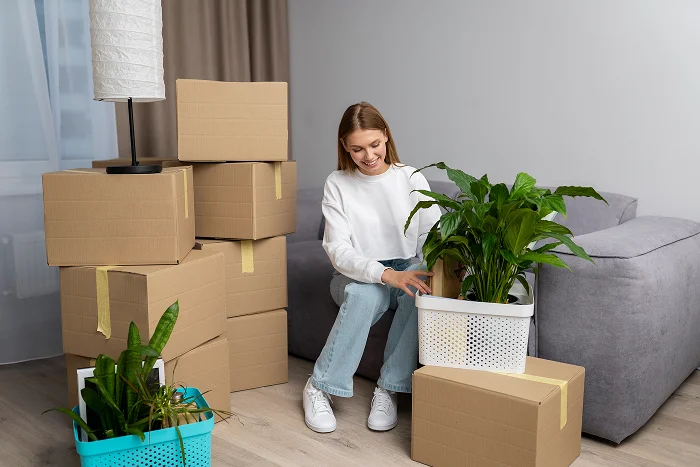
Moving is a significant life event, and mastering the art of packing boxes for moving is the most critical factor for a smooth transition. A well-packed box ensures your belongings arrive safely and makes the unpacking process manageable. This comprehensive guide covers choosing the right supplies and expert packing techniques, ensuring your move is organized and stress-free.
Understanding User Intent: Why People Search for “Packing Boxes for Moving”
A search for packing boxes for moving reveals a multi-faceted user intent, from needing supplies to seeking detailed instructions. Addressing these needs is key to creating an SEO-friendly resource. This table breaks down the common user intents and how this article addresses them.
| User Intent | Description | How This Article Addresses It |
|---|---|---|
| Informational | Seeking knowledge on best practices, box types, and techniques. | Provides detailed guides on box sizes, packing methods, and labeling strategies. |
| Transactional | Ready to purchase boxes and packing supplies. | Offers a supply checklist and guidance on where to source quality materials. |
| Navigational | Looking for a specific moving company or service. | Positions the content as a resource from a trusted moving expert (Carry Crews). |
| Commercial | Comparing different box types, brands, or moving services. | Includes informational tables comparing box sizes and packing materials. |
The Essential Supplies for Packing Boxes for Moving
Gathering the right materials is essential. Using high-quality supplies is non-negotiable to protect your possessions, as skimping on essentials can lead to damaged goods. Your packing strategy begins with the boxes themselves. Corrugated cardboard boxes are the industry standard, offering excellent strength and protection. Always opt for new or gently used, sturdy boxes for maximum integrity. Beyond the boxes, you will need heavy-duty packing tape, essential for securing the tops and bottoms of every container using the H-tape method. Packing paper, bubble wrap, and foam are necessary to cushion fragile items and fill empty spaces, preventing contents from shifting. Finally, permanent markers and clear labels are vital tools. Proper labeling is the secret weapon for efficient unpacking, ensuring every box ends up in the correct room at your new destination.
Read also: Long Distance Removals Near Me Explained
Choosing the Right Box Size
Selecting the correct size of packing boxes for moving is a strategic decision that directly impacts the safety of your items and the efficiency of your move. A common mistake is using large boxes for heavy items like books, which makes them too heavy to lift safely. The golden rule is simple: the heavier the item, the smaller the box.
| Box Size (Cubic Feet) | Recommended Items | Max Weight (Approx.) | Key Strategy |
|---|---|---|---|
| Small (1.5 cu ft) | Books, tools, canned goods, small electronics, heavy items. | 50 lbs | Use for anything dense and heavy to keep the box manageable. |
| Medium (3.0 cu ft) | Kitchenware, toys, clothing, linens, small appliances. | 35 lbs | The most versatile size; use for a mix of medium-weight items. |
| Large (4.5 cu ft) | Lampshades, pillows, towels, bulky but light items, blankets. | 20 lbs | Only for light, voluminous items to prevent the box from bulging or breaking. |
| Extra Large (6.0+ cu ft) | Comforters, duvets, large decorative items, seasonal clothing. | 15 lbs | Reserve for the lightest items that take up the most space. |
Expert Techniques for Packing Boxes for Moving
The way you fill a box is just as important as the box itself. Expert techniques minimize damage and maximize space. Boxes should be packed tightly enough that nothing shifts when shaken. Start by lining the bottom with crumpled packing paper or bubble wrap for extra cushioning, acting as a shock absorber. Always place the heaviest items at the bottom to maintain a low center of gravity, preventing tipping and crushing. Work your way up, placing lighter items on top. Fill any remaining gaps with soft materials like socks, towels, or packing paper. A completely full box, without empty space, is less likely to collapse or have its contents break.
Read also: Why Reliable Logistics Partners Are Vital for Your Business Growth
Once full, ensure the top flaps close flat without bulging. A bulging box is overpacked and needs to be repacked. If the box is too light, add more non-fragile items to fill the space.
Essential Packing Material Comparison
Choosing the right material to wrap and cushion your items is vital for safe transport. Different materials offer different levels of protection and are suited for various types of belongings. Understanding the pros and cons of each will help you pack smarter.
| Material | Best Use Case | Pros | Cons |
|---|---|---|---|
| Packing Paper | Wrapping dishes, filling small gaps, lining boxes. | Inexpensive, recyclable, prevents ink transfer better than newspaper. | Offers minimal cushioning for heavy impacts. |
| Bubble Wrap | Fragile items (glass, electronics), cushioning large voids. | Excellent shock absorption, lightweight. | More expensive, not always recyclable, takes up more space. |
| Foam Peanuts | Filling large, irregular voids, protecting delicate items. | Conforms to any shape, provides all-around protection. | Can shift during transit, messy, not eco-friendly unless biodegradable. |
| Towels/Linens | Wrapping kitchen items, padding furniture, filling gaps. | Free, dual-purpose (packing and moving), soft. | Adds weight, may not provide enough protection for extremely fragile items. |
The Art of Labeling and Inventory
Proper labeling is the final, crucial step in preparing your packing boxes for moving. It is the key to a stress-free unpacking process, allowing you to prioritize which boxes to open first and ensuring movers place them in the correct rooms. Use a thick, dark marker to write the destination room (e.g., “Kitchen”) clearly on at least two sides and the top. This ensures the label is visible regardless of how the box is stacked. Also, include a brief description of the contents (e.g., “Everyday Dishes”). For boxes containing fragile items, use bright “FRAGILE” stickers or write the word in large, bold letters. Draw arrows pointing up to indicate the correct orientation for handling and stacking. Creating a simple inventory list is a best practice for high-value or essential items. Assign a number to each box and keep a corresponding list detailing the contents. This helps you track everything and quickly locate items you need immediately upon arrival.
Read also: Best Long Distance Movers: Trusted Moving Companies Across the UK
Room-by-Room Box Estimation
One of the most common questions is, “How many boxes do I need?” While the exact number depends on your belongings, this estimation table provides a general guideline based on the size of your home. This helps you purchase the right amount of packing boxes for moving without overspending.
| Home Size | Small Boxes (1.5 cu ft) | Medium Boxes (3.0 cu ft) | Large Boxes (4.5 cu ft) | Specialty Boxes (Wardrobe, etc.) | Total Boxes (Approx.) |
|---|---|---|---|---|---|
| Studio/1-Bedroom | 15-20 | 10-15 | 5-10 | 2-3 | 35-45 |
| 2-Bedroom Home | 30-40 | 25-35 | 15-20 | 4-6 | 75-100 |
| 3-Bedroom Home | 50-60 | 40-50 | 25-35 | 6-8 | 120-150 |
| 4+ Bedroom Home | 70+ | 60+ | 40+ | 10+ | 180+ |
Read also: How Long Does Special Delivery Take in the UK?
(FAQs)
Where is the best place to get high-quality packing boxes for moving?
The best place to purchase high-quality packing boxes for moving is from professional moving supply stores or reputable home improvement centers. These sources offer specialized, double-walled corrugated boxes designed for the rigors of moving. Free boxes from grocery stores often lack the structural integrity and cleanliness required for safely transporting valuable household goods.
How far in advance should I start packing?
For an average three-bedroom home, start non-essential packing at least four to six weeks before your moving date. Begin with items you rarely use, such as seasonal decorations and books. This phased approach allows you to work steadily without the last-minute rush, ensuring every box is packed with care.
What is the maximum weight a moving box should be?
A general rule of thumb is to keep the weight of any single moving box under 50 pounds. For most people, a comfortable lifting weight is closer to 30-40 pounds. Exceeding this limit makes the box difficult and dangerous to handle, and increases the risk of the box bottom failing. Always use smaller boxes for heavier items to manage the weight effectively.
Should I use newspaper or packing paper for wrapping fragile items?
Always use clean, unprinted packing paper instead of newspaper for wrapping fragile items like dishes and glassware. Newspaper ink can easily transfer onto your belongings, leaving smudges. Packing paper is inexpensive, clean, and provides the necessary layer of protection to prevent items from rubbing against each other.
Conclusion
Mastering the process of packing boxes for moving is the foundation of a successful and stress-free relocation. By investing in the right supplies, expert packing techniques, and a clear labeling system, you transform a chaotic chore into a strategic operation. When it comes time to move those perfectly packed boxes, trust the professionals who understand the value of organization and care. Carry Crew is dedicated to providing seamless moving experiences, ensuring your belongings are transported safely and efficiently. Contact Carry Crew today to turn your packing success into a moving triumph.