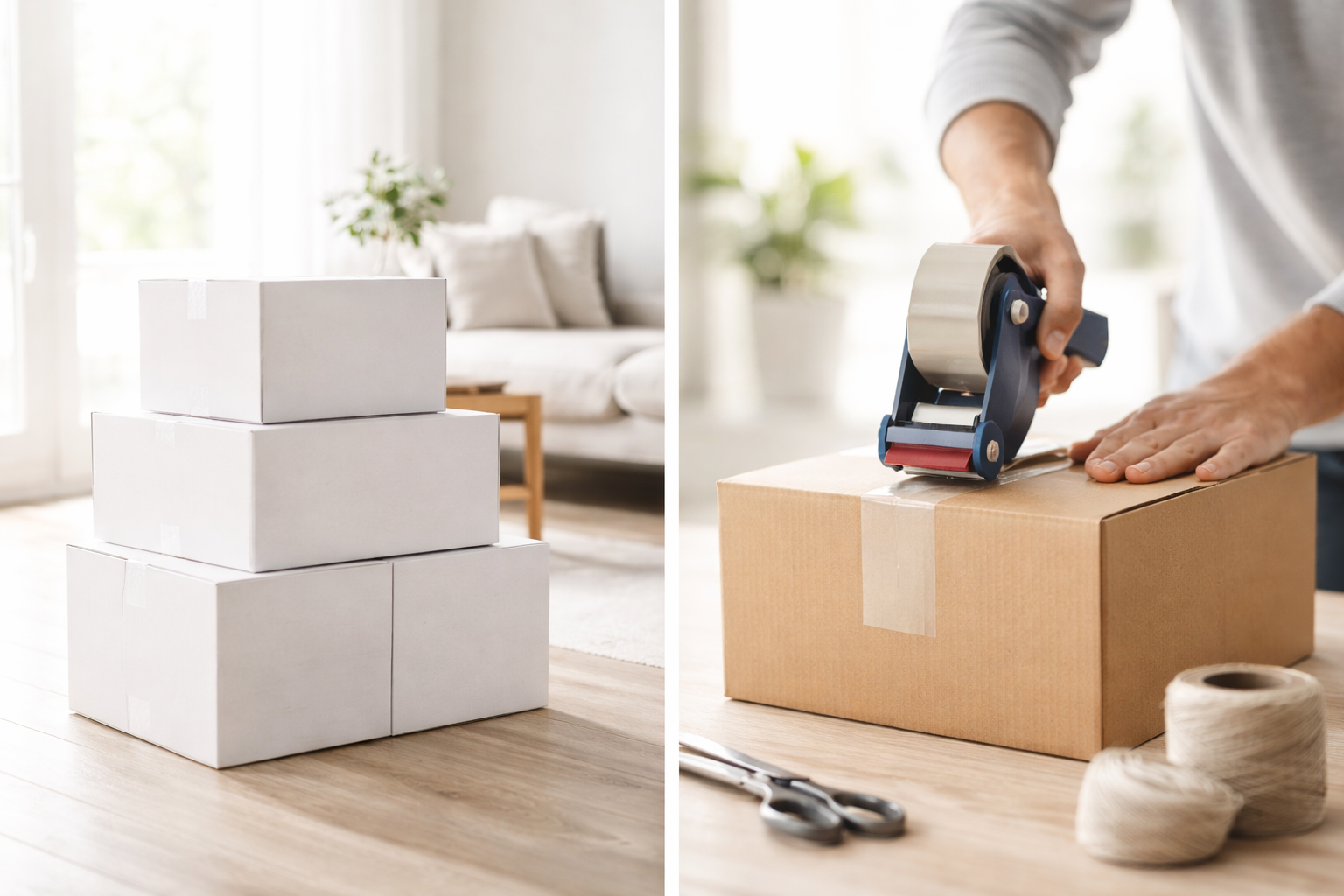
The success of any home relocation hinges on one often-overlooked item: the box. Choosing the right moving house boxes is not just about finding a container; it is about ensuring the safety of your possessions and the efficiency of your move. From the quantity you need to the specialized types available, a strategic approach to your boxes can save you time, money, and stress. This guide will help you master the art of the moving box.
Why Quality Moving House Boxes Matter
While it may be tempting to gather free boxes from grocery stores or liquor shops, professional-grade moving house boxes are a worthwhile investment. They are specifically designed to withstand the rigors of transit. These boxes are made from corrugated cardboard with a higher burst strength, ensuring they can handle the weight of their contents and the pressure of being stacked in a moving truck.
The Importance of Uniformity
Professional moving house boxes come in standardized sizes. This uniformity is crucial for movers, as it allows them to stack boxes securely and efficiently, maximizing space and preventing shifting. Non-uniform boxes create gaps, leading to unstable stacks that can collapse, causing damage to your items and potentially injuring the movers.
Beyond the Cardboard Box
The term “moving house boxes” encompasses more than just the standard cube. Specialized boxes are designed to protect specific, high-value items that a regular box cannot safely accommodate. These include wardrobe boxes for hanging clothes, dish packs for fragile kitchenware, and mirror boxes for artwork and large flat items.
Box Sourcing Intent: Free vs. Professional Boxes
|
Feature |
Free/Used Moving House Boxes |
Professional Moving House Boxes |
|---|---|---|
| Structural Integrity | Low (Compromised by moisture, wear, and tear) | High (Designed for stacking and transit) |
| Uniformity | Low (Varying shapes and sizes) | High (Standardized for efficient stacking) |
| Specialty Items | None (Requires custom wrapping) | Available (Dish packs, wardrobe, mirror boxes) |
| Cost | Free | Low to Moderate Investment |
| Risk of Damage | High (Due to potential box failure) | Low (When packed correctly) |
Read also: https://carrycrew.co.uk/top-benefits-of-choosing-insured-removals-in-london/
How Many Moving House Boxes Do You Need?
One of the most common questions movers ask is, “How many moving house boxes will I need?” The answer depends on the size of your home and the volume of your possessions. A general rule of thumb is that you will need approximately 10 to 15 boxes per room, but this can vary widely based on your lifestyle and how long you have lived in the home.
Estimating by Room Size
For a typical move, a one-bedroom apartment might require 30-50 boxes, while a three-bedroom house could easily require 70-100 boxes. It is always better to overestimate than to run out mid-pack. Most moving supply companies offer online calculators that provide a more precise estimate based on the number of rooms and the number of people living in the house.
The Box Size Ratio
A balanced inventory of moving house boxes should follow a specific ratio to ensure efficient packing. You should have more small and medium boxes than large or extra-large ones. A good ratio is approximately 40% small, 30% medium, 20% large, and 10% specialty boxes. This ensures you have the right container for every item.
Estimated Moving House Boxes by Home Size
This table provides a general estimate of the number of moving house boxes required for different home sizes, assuming a standard volume of possessions .
|
Home Size |
Estimated Total Boxes | Small (1.5 cu ft) | Medium (3.0 cu ft) |
Large (4.5 cu ft) |
|---|---|---|---|---|
| Studio/1 Bed Apt | 30 – 50 | 15 – 20 | 10 – 15 | 5 – 10 |
| 2 Bedroom House | 50 – 75 | 20 – 30 | 20 – 25 | 10 – 15 |
| 3 Bedroom House | 75 – 100 | 30 – 40 | 30 – 35 | 15 – 25 |
| 4+ Bedroom House | 100 – 150+ | 40 – 60 | 40 – 50 | 20 – 40 |
Best Practices for Packing Moving House Boxes
The way you pack your moving house boxes is just as important as the boxes themselves. Following professional guidelines ensures the safety of your items and the efficiency of the move.
The Weight Rule: Heavy in Small, Light in Large
This is the golden rule of packing: use small boxes for heavy items (books, tools, media) and large boxes for light, bulky items (linens, pillows, lampshades). Never pack a box so heavy that it cannot be comfortably lifted by one person. A box that is too heavy risks injury and can compromise the structural integrity of the entire stack.
Reinforce and Seal Properly
Always reinforce the bottom of every box with at least three strips of strong packing tape, using the “H” method to cover all seams. This prevents the bottom from giving out under the weight. Once packed, the top of the box should be sealed flat. A bulging box is a sign of overpacking and will not stack securely, risking a collapse.
Labeling is Non-Negotiable
Every single one of your moving house boxes must be clearly labeled on the top and at least two sides. The label should include the room it belongs in and a brief description of the contents. Adding a number to each box and keeping a master inventory list is an advanced technique that helps you track your possessions and confirm everything has arrived at the new home.
Common Mistakes to Avoid When Using Moving House Boxes
Even with the right supplies, a few common packing errors can lead to frustration and damage. Avoid these pitfalls for a smoother move.
Mistake 1: Not Filling Voids
Any empty space inside a box allows the contents to shift during transit, which can lead to breakage. This is especially true for fragile items. Use soft materials like towels, clothes, or crumpled packing paper to fill all gaps and immobilize the contents completely.
Mistake 2: Mixing Rooms
Resist the urge to mix items from different rooms in the same box, even if it seems convenient. This makes the unpacking process a nightmare at the new house. Each box should be dedicated to a single room, ensuring that when the box is delivered, it is placed exactly where it needs to be unpacked.
Mistake 3: Using Newspaper for Fragile Items
While newspaper is a good void filler, the ink can transfer onto your dishes, clothes, and other items, leaving smudges that are difficult to clean. Instead, use clean packing paper (newsprint), bubble wrap, or soft, clean towels to wrap fragile items before placing them in the moving house boxes.
Moving House Boxes: Packing Checklist
Use this checklist to ensure you have all the necessary supplies and have followed the critical packing steps for your moving house boxes.
|
Item/Step |
Status |
Notes |
|---|---|---|
| Box Inventory | Complete | Have a mix of small, medium, and large boxes. |
| Packing Tape | Sufficient | Use 2-inch wide, strong packing tape. |
| Markers | Ready | Use thick, black markers for clear labeling. |
| Reinforcement | Applied | All box bottoms secured with the “H” tape method. |
| Labeling | Clear | Room name and contents on at least two sides. |
| Weight Check | Under 40 lbs | No box is too heavy for one person to lift. |
| Void Filler | Used | All empty spaces are filled with soft material. |
Read also : https://carrycrew.co.uk/top-rated-office-movers-in-london/
Final Thoughts
Choosing the right moving house boxes is the foundation of a smooth and successful move. From planning quantities to packing smartly, every step matters. With the right boxes and a clear strategy, moving day becomes far more manageable.
FAQs
How early should I buy moving house boxes?
It’s best to buy boxes at least 2–3 weeks before moving day to allow enough time for packing.
Can I reuse old boxes for moving?
Yes, but only if they are sturdy, clean, and free from damage.
Are specialty moving boxes worth it?
Yes, especially for fragile items like dishes, mirrors, and clothing.
Should I label boxes on the top or side?
Label both the top and sides so they are readable from any angle.
What size box is best for heavy items?
Small boxes are ideal for heavy items to prevent strain and breakage.