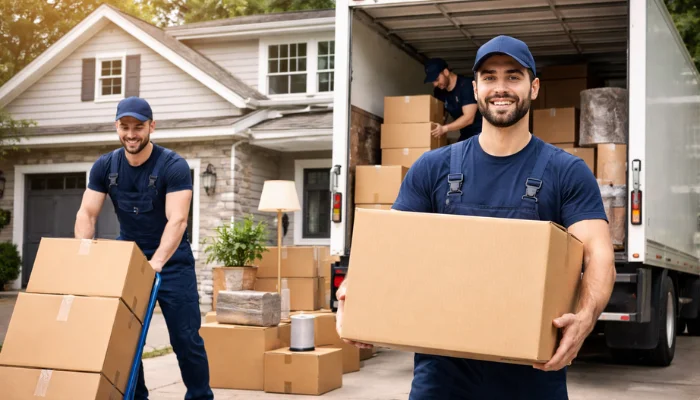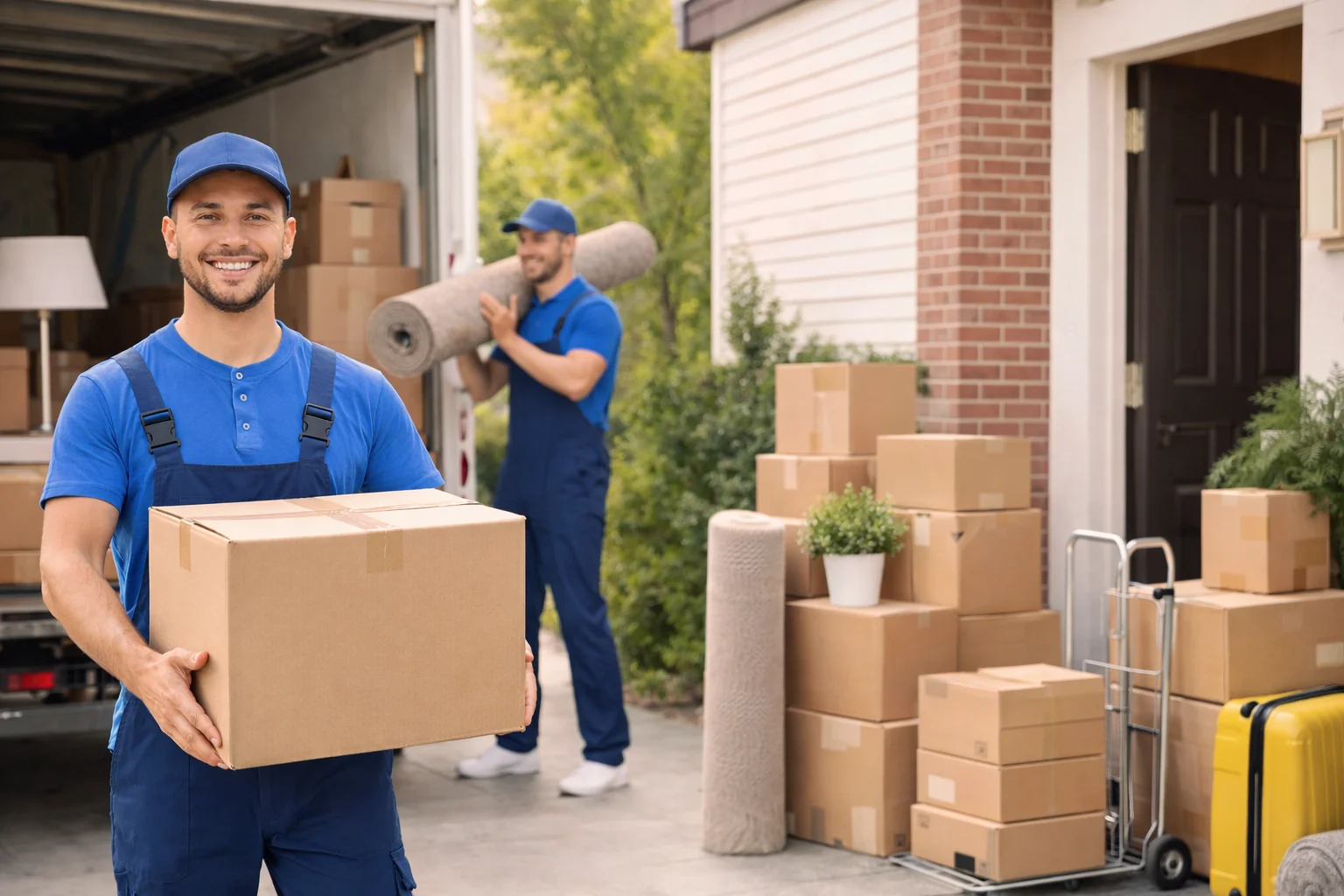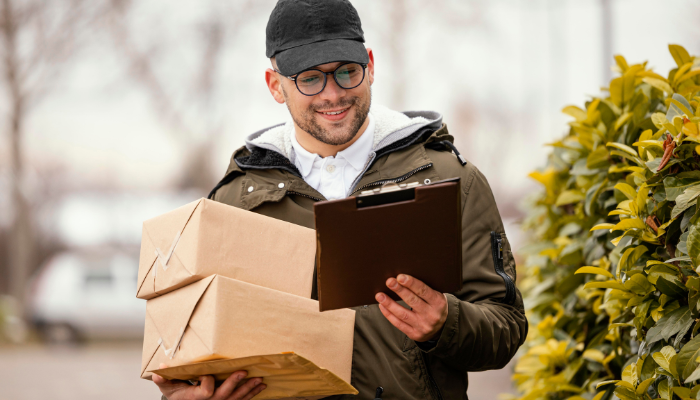
Last mile delivery refers to the final stage of the delivery process from a distribution hub or depot directly to the customer’s doorstep. In London, this stage is critical due to traffic congestion, urban density, and high customer expectations. For e-commerce businesses, retailers, and logistics providers, optimizing last mile delivery is essential for cost control, speed, and customer satisfaction.
What is Last Mile Delivery?
- Definition: The final leg of the supply chain where goods are delivered to the end customer.
- Importance: Often accounts for up to 53% of total shipping costs due to urban challenges and inefficiencies.
- Challenges in London: Traffic, parking limitations, narrow streets, and high delivery density.
Key Challenges of Last Mile Delivery in London
- Traffic Congestion – London’s dense road network slows deliveries, increasing costs and time.
- Urban Accessibility – Narrow streets and restricted zones require smaller vehicles or specialized carriers.
- High Customer Expectations – Consumers expect same-day or next-day delivery, increasing pressure on logistics.
- Cost Management – Rising fuel and labor costs make last mile delivery expensive for businesses.
- Environmental Regulations – Low Emission Zones (LEZ) require eco-friendly vehicles for compliance.
Read also: Same Day Removals Near Me in the UK
Popular Last Mile Delivery Methods in London
| Method | Description | Pros | Cons |
| Vans / Cargo Vehicles | Standard delivery trucks | High capacity, flexible | Congestion, parking issues |
| Electric Bikes / Cargo Bikes | Small-scale deliveries | Eco-friendly, fast in central areas | Limited capacity |
| Lockers & Collection Points | Parcel pickup from secure locations | Reduces failed deliveries | Requires customer effort |
| Drones (Emerging) | Automated aerial delivery | Fast, reduces traffic | Regulatory and payload limits |
Strategies for Efficient Last Mile Delivery in London
- Route Optimization: Use AI and GPS-based route planning to reduce travel time.
- Micro-Fulfillment Centers: Place smaller warehouses close to high-demand areas for faster deliveries.
- Parcel Lockers & Pickup Points: Reduce failed deliveries and repeated trips.
- Eco-Friendly Vehicles: Adopt electric vans or cargo bikes to comply with LEZ rules and reduce carbon footprint.
- Dynamic Delivery Windows: Offer flexible delivery slots to align with customer availability and reduce repeated trips.
Benefits of Optimizing Last Mile Delivery
- Faster deliveries increase customer satisfaction and loyalty.
- Cost savings through better route planning and reduced failed deliveries.
- Reduced environmental impact with green logistics solutions.
- Competitive advantage in London’s crowded e-commerce and logistics market.
Read also: Top Rated Removals Near Me in the UK
Future Trends in London Last Mile Delivery
- Automation and Robotics: Drones and autonomous vehicles may play a bigger role.
- Crowdsourced Delivery Models: Using local couriers for on-demand deliveries.
- Sustainability Focus: More companies will switch to electric or hybrid fleets.
- Smart Lockers & AI: Real-time tracking and AI optimization will improve efficiency.
FAQs
What is considered last mile delivery?
It is the final delivery stage from a local distribution point to the customer’s address.
Why is last mile delivery expensive in London?
Traffic congestion, high labor costs, parking limitations, and failed delivery attempts make it the most costly part of shipping.
How can companies reduce last mile delivery costs?
Through route optimization, micro-fulfillment centers, eco-friendly vehicles, and parcel lockers.
Are drones used for last mile delivery in London?
Currently, drone delivery is in pilot stages due to regulations and payload limitations.