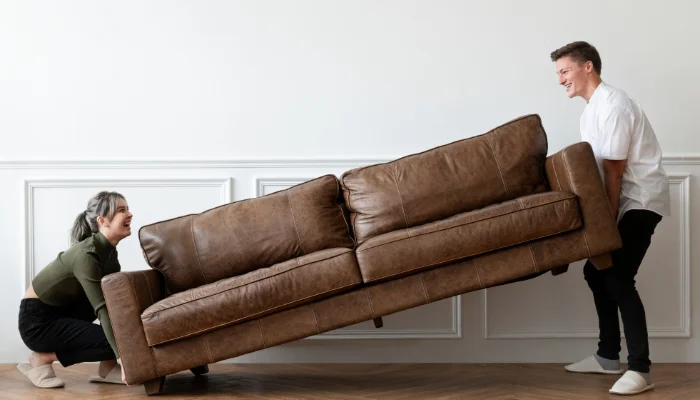
Moving large furniture can feel overwhelming, especially when you’re faced with bulky sofas, heavy dressers, or awkward dining tables. Whether you’re relocating to a new home or simply rearranging your space, knowing how to move large furniture safely and efficiently can save you time, money, and potential injuries. The key to successful furniture moving lies in proper planning, using the right techniques, and understanding when to call in professional help. This comprehensive guide will walk you through everything you need to know about moving your beloved pieces of furniture without breaking your back or your budget.
Understanding Your Moving Options
Before you start lifting heavy furniture, it’s important to evaluate your situation. Consider the size of your furniture, the distance you’re moving, and your physical capabilities. Some moves are perfect for DIY approaches, while others benefit from professional expertise. The weight and dimensions of your furniture play a crucial role in determining your strategy. A lightweight bookshelf requires a different approach than a solid oak armoire or a sectional sofa.
Essential Preparation Before Moving
Proper preparation makes the difference between a smooth move and a disaster. Start by measuring your furniture and doorways to ensure everything will fit through the passages. Clear pathways throughout your home, removing any obstacles that could cause tripping or damage. Create a detailed inventory of what needs to be moved. This helps you plan your approach and ensures nothing gets left behind. Take photos of your furniture before disassembly for easy reassembly later.
Read also: Cheapest Way to Transport Furniture in the UK (7 Budget-Friendly Options)
Tools and Materials You’ll Need
Basic Moving Supplies
Gather essential supplies before moving day arrives. Furniture sliders are invaluable for moving heavy furniture across floors without scratching. Bubble wrap protects delicate surfaces and corners from damage during transport. Moving blankets cushion your furniture and prevent scratches. Sturdy moving straps distribute weight evenly and give you better control. Dollies and hand trucks make transporting heavy items significantly easier.
How to Choose Furniture Movers
Professional movers bring expertise and equipment that make moving safer and faster. Look for licensed and insured companies with positive customer reviews. Get multiple quotes to compare pricing and services offered. Ask about their experience with your specific type of furniture. Some pieces, like pianos or antiques, require specialized handling. Verify their insurance coverage protects your belongings during the move.
Step-by-Step Moving Techniques
Protecting Your Furniture
Wrap each piece of furniture in moving blankets or bubble wrap before attempting to move it. Pay special attention to corners and edges, which are most vulnerable to damage. Secure the wrapping with tape or stretch wrap to keep it in place. Remove all drawers, shelves, and detachable parts. This reduces weight and prevents items from falling out during the move. Keep hardware in labeled bags taped to the corresponding furniture piece.
Proper Lifting Techniques
Always lift with your legs, not your back. Bend at the knees and keep the piece of furniture close to your body for better balance and control. Never twist while carrying heavy items—pivot your entire body instead. When moving heavy furniture with a partner, communicate clearly and move in sync. Assign one person as the leader to call out directions. Take breaks frequently to avoid fatigue, which increases injury risk.
Read also: Furniture Appliances: Safe and Affordable Moving Solutions in the UK
Moving Through Doorways and Stairs
Turn furniture at angles to fit through tight spaces. Sofas often move easiest on their end, while dressers may need to go through doorways sideways. Remove door frames temporarily if needed for particularly large pieces. For stairs, always move furniture with the heaviest end going first downstairs and last going upstairs. This provides better balance and control. Use extra helpers for stairway moves to ensure safety.
Cost-Effective Moving Solutions
Cheapest Way to Move Furniture
DIY moving is often the cheapest way to move furniture if you have the time and physical capability. Rent a truck from a budget provider and recruit friends or family to help. Provide refreshments and pizza as a thank-you gesture. Timing your move can save money too. Moving companies charge less during weekdays and mid-month when demand is lower. Off-season moves (fall and winter) typically cost less than peak summer months.
Cheapest Way to Transport Furniture
For single items or small loads, consider furniture shipping services instead of full-service movers. Freight shipping companies offer economical rates for furniture-only transport. Some retailers even offer delivery services when you purchase from them. Shared truck space services let you pay only for the space your furniture occupies. This works well when moving long distances with minimal items. Compare multiple quotes to find the best rate for your needs.
Read also: How to Dispose of Unwanted Furniture: A Complete UK Guide 2026
Comparison of Moving Options
| Moving Method | Best For | Pros | Cons |
| DIY Moving | Local moves, budget-conscious | Most affordable, full control | Physically demanding, time-consuming |
| Professional Movers | Large homes, long distances | Expertise, insurance, efficiency | Higher cost, scheduling required |
| Hybrid (Labor Only) | Truck owners needing help | Moderate cost, professional help | You handle transportation |
| Furniture Shipping | Individual items, long distance | Specialized handling, convenient | Limited to specific pieces |
| Container Services | Flexible timeline moves | Load at your pace, storage option | Still requires physical labor |
Special Considerations for Different Furniture Types
Upholstered Furniture
Sofas and chairs need extra protection against dirt and tears. Use furniture covers or plastic wrap over moving blankets. Remove legs if possible to make the furniture more compact and easier to maneuver through tight spaces. Check for hidden reclining mechanisms or bed conversions before moving. Lock these features in place to prevent unexpected movement during transport.
Heavy Wooden Furniture
Solid wood pieces require careful handling to prevent scratches and dents. Apply felt pads to the bottom before sliding across floors. Disassemble multi-piece items like bed frames and entertainment centers to reduce weight and bulk. Wrap drawer pulls and hardware separately to prevent them from catching on other items or damaging surfaces.
Glass and Delicate Items
Tables with glass tops need special attention. Remove glass components and transport them vertically, never flat, with padding on both sides. Mark boxes containing glass clearly so everyone handles them with extra care. Consider professional packing services for valuable antiques or irreplaceable items. The cost is worth the peace of mind.
Post-Move Furniture Care
Once your furniture arrives at its destination, inspect each piece for damage before the movers leave. Document any issues with photos for insurance claims. Remove protective wrapping carefully to avoid scratching surfaces. Allow wooden furniture to acclimate to the new environment’s humidity and temperature before final placement. This prevents warping or cracking. Clean all surfaces before use to remove dust and residue from the move.
FAQs
Q: How far in advance should I book professional furniture movers?
A: Book at least 4-6 weeks in advance during peak moving season (May-September). For off-season moves, 2-3 weeks notice is usually sufficient. Last-minute bookings are possible but often come with premium pricing or limited availability.
Q: Can I move furniture by myself, or do I need help?
A: It depends on the furniture size and your physical condition. Never attempt to move heavy furniture alone—you risk serious injury. Even with proper technique, pieces over 50 pounds should involve at least two people. Large items like sectionals or armoires may need three or four helpers.
Q: What’s the best way to protect hardwood floors when moving furniture?
A: Use furniture sliders designed for hardwood floors, place cardboard or moving blankets along pathways, and never drag furniture directly across the floor. Felt pads on furniture legs prevent scratches. Consider laying down temporary floor protection like RAM board for heavy traffic areas during moving day.
Q: How do I move furniture without scratching walls?
A: Maintain at least 2-3 inches of clearance between furniture and walls when possible. Use corner guards on walls in tight passages. Wrap furniture corners with extra padding or corner protectors. Move slowly and deliberately, especially around doorways and corners where contact is most likely.
Q: Is it worth paying for moving insurance?
A: Yes, especially for valuable or antique furniture. Basic carrier liability covers only 60 cents per pound, which rarely reflects actual value. Full-value protection costs more but provides comprehensive coverage. For DIY moves, check if your homeowner’s or renter’s insurance covers items during relocation.