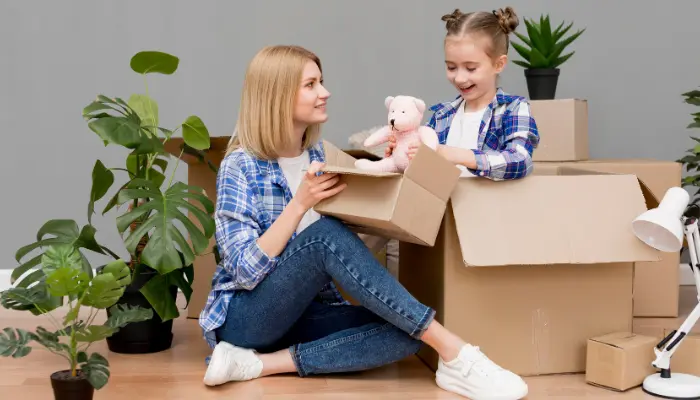
Toy clutter is a universal challenge for parents and caregivers, often leading to overwhelmed children and disorganized homes. However, implementing an effective system for storing toys can transform chaos into calm, fostering independence and enriching playtime. A well-organized toy system is not just about tidiness; it is a powerful tool for encouraging focus, creativity, and responsibility in children. This guide provides a comprehensive, step-by-step approach to decluttering, organizing, and maintaining a manageable toy collection.
Phase One: The Essential Decluttering Process
Before you can effectively organize, you must first declutter. This process involves sorting through every toy to determine what stays, what goes, and what needs to be stored away.
Observe and Involve Your Children
Start by observing your children’s play habits for a week to identify which toys are genuinely used and which are consistently ignored. This insight is invaluable for making informed decisions. Involve your children in the decluttering process as much as possible. This teaches them valuable life skills, such as decision-making, letting go, and the importance of sharing with others.
Sort by Category, Not Location
Gather every single toy in the house into one central location. This can be a shocking but necessary step to visualize the true volume of your collection. Next, sort the toys into logical categories based on their function. This approach helps you see where you have duplicates or excessive amounts of a certain type of toy.
Read also: https://carrycrew.co.uk/professional-house-removals-london-trusted-home-moving/
|
Toy Category |
Examples | Recommended Storage Method |
|---|---|---|
| Building & Construction | LEGOs, wooden blocks, magnetic tiles | Clear, labeled bins with separate containers for small pieces. |
| Figurines & Dolls | Action figures, Barbie dolls, play sets | Labeled baskets or drawers; wall-mounted shelves for display. |
| Arts & Crafts | Crayons, markers, paper, playdough | Dedicated art caddy or rolling cart; small containers for supplies. |
| Games & Puzzles | Board games, card games, jigsaw puzzles | Vertical storage on a shelf; zipper bags for puzzle pieces. |
| Vehicles & Trains | Cars, trucks, train sets, tracks | Large, open bins; specialized track storage on walls or under beds. |
| Plush & Stuffed Animals | Teddy bears, soft toys | Hammocks, beanbag chairs that double as storage, or large open baskets. |
The Failsafe Box Strategy
If you and your child are hesitant about parting with a toy, use the “Failsafe Box” method. Place the questionable toys into a sealed box and store it out of sight for one to two months. If the toys are not missed or asked about during that time, they are safe to donate or sell. This strategy removes the emotional pressure from the decluttering decision.
Phase Two: Implementing the Toy Rotation System
Once you have decluttered, the most effective strategy for long-term organization is the toy rotation system. This method involves keeping only a small selection of toys accessible at any given time, storing the rest, and periodically swapping them out.
Benefits of Toy Rotation
Toy rotation is a powerful tool that benefits both children and parents. It prevents overstimulation, which can often lead to frustration and a lack of focus during playtime . By limiting the choices, children engage more deeply with the toys they have, fostering greater concentration and creativity. When a toy is reintroduced after a break, it feels “new” again, maximizing its play value.
|
Benefit Category |
Description |
Impact on Child Development |
|---|---|---|
| Cognitive | Increases focus and concentration by reducing visual clutter and choice overload. | Promotes deeper, more meaningful play and problem-solving skills. |
| Emotional | Reduces overstimulation and anxiety associated with a messy environment. | Fosters a sense of calm and control over their play space. |
| Practical | Simplifies clean-up time, as there are fewer items to put away. | Encourages independence and responsibility for maintaining their space. |
| Financial | Maximizes the use of existing toys, reducing the need for constant new purchases. | Teaches appreciation for what they have and extends the lifespan of toys. |
Setting Up Your Rotation
Divide your categorized toys into three groups: In Play, In Storage, and In Transit (the Failsafe Box). The In Play group should be small enough to fit comfortably in the designated play area. Store the In Storage toys in clear, labeled bins in a closet, garage, or basement. Rotate the toys every two to four weeks, or whenever you notice your child’s interest in the current selection beginning to wane.
Phase Three: Choosing the Right Storage Solutions
The containers you choose for storing toys should prioritize accessibility, visibility, and safety. The best solution is one that allows children to easily retrieve and put away their toys independently.
Comparison of Storage Types
|
Storage Solution |
Pros | Cons |
Best For |
|---|---|---|---|
| Clear Plastic Bins | High visibility, durable, stackable, excellent for rotation storage. | Can look cluttered if not well-labeled; not aesthetically pleasing in all rooms. | Small parts, rotation storage, and categorizing specific sets. |
| Open Baskets/Totes | Aesthetically pleasing, easy for young children to use for quick clean-up. | Low visibility, making it harder to find specific toys; can become a “dumping ground.” | Plush toys, blankets, and large, bulky items. |
| Low Shelving Units | Promotes a Montessori-style, organized display; encourages independent access. | Requires consistent maintenance; limits the number of toys that can be displayed. | The “In Play” rotation set; books and educational materials. |
| Vertical Storage | Maximizes small spaces (e.g., over-the-door organizers, wall-mounted systems). | Can be difficult for very young children to reach; may require adult assistance. | Arts and crafts supplies, small shoes, and accessories. |
For toys with many small pieces, such as LEGOs or train tracks, consider using smaller, compartmentalized containers within a larger bin. For puzzles, transferring the pieces into a heavy-duty zipper bag and taping the box cover to the outside is an excellent space-saving hack.
Phase Four: Cleaning and Maintenance
Before any toy goes into long-term storage or rotation, it should be cleaned and sanitized. This is especially important for baby toys and items that have been shared or played with outdoors.
Read also: https://carrycrew.co.uk/it-office-relocation-london-keep-your-systems-running/
A Guide to Cleaning Different Toy Materials
The cleaning method must be tailored to the toy’s material to prevent damage, particularly to electronics or natural wood.
|
Toy Material |
Recommended Cleaning Method |
Important Safety Note |
|---|---|---|
| Hard Plastic | Wash with warm, soapy water; rinse and air dry. Dishwasher safe on the top rack for small items. | Ensure no water is trapped inside hollow toys, which can lead to mold. |
| Wood | Wipe with a cloth dampened with a mild vinegar and water solution (1:1 ratio). | Never soak wooden toys, as this can cause the wood to swell, crack, or warp. |
| Plush/Fabric | Machine wash on a delicate cycle in a mesh bag; air dry completely. | Check the care label; remove any battery packs or electronic components first. |
| Electronic | Wipe the surface with a disinfecting wipe or a damp cloth (not wet). | Never submerge or run under water; ensure the battery compartment is sealed. |
Maintaining the System
The key to long-term success is maintenance. Implement a “one-in, one-out” rule: for every new toy that enters the home, an old one must be donated or passed on. Make clean-up a daily habit, not a weekend chore. Use clear labels with pictures for non-readers to make it easy for children to know exactly where each item belongs.
FAQs
Q1: What is the best way to store toys in small spaces?
Use vertical storage like wall shelves, under-bed boxes, and hanging organisers to save space.
Q2: How often should toys be decluttered?
Declutter toys every 3 to 6 months to remove unused or broken items.
Q3: Are open or closed storage units better for toys?
Open storage is great for daily use, while closed units work well for long-term storage.
Q4: How can I keep toy storage hygienic?
Clean toys before storing and use washable or airtight containers where possible.
Q5: Should toys be stored by age group?
Yes, storing toys by age helps ensure safety and makes playtime more suitable for children.
Final Thoughts
This Guide to Storing Toys shows that organising toys doesn’t have to be complicated. With simple sorting, smart storage solutions, and child-friendly systems, you can maintain a clean and organised home. A little planning goes a long way in creating a space that is functional, safe, and enjoyable for both parents and children.